Software designand development.
Software development, product design and technical research, informed by 20 years of building. I focus on creative applications and offer AI development and consulting across fields.
Creative tools and interfaces.
Start with something a person wants to make, explore or control. I develop interactive experiences, visual systems and creative tools around that intent.
The work can take the form of a browser experience, an art-directed interface or a procedural tool with controls that make creative choices visible.
Explore current experimentsFrom prototype to product.
A product idea needs a core interaction worth building around. I connect product definition, interaction design and engineering, starting with a prototype that tests the most consequential assumption.
The outcome can grow from a tested prototype into developed software, with the experience and the technical system considered together.
Test difficult technical ideas.
When the approach is uncertain, define a question and an observable test. A bounded experiment can show what works, where it fails and whether the trade-off fits the product.
The deliverable might be an evaluated prototype, a reusable tool or a documented comparison that gives the next product decision a firmer basis.
AI development and integration.
Start with the actual task: what should the system help a person do, and how will we judge whether it helps? I offer applied AI development and consulting for creative applications and other fields.
That can include model evaluation, integration prototypes and AI-assisted workflows people can inspect and steer. The goal is a useful capability inside the product or workflow.
Study the material.
Choose how it moves.
I use controlled image studies to explore a visual idea, then work out which parts should be images, live graphics or film. Each study makes a creative decision easier to judge.
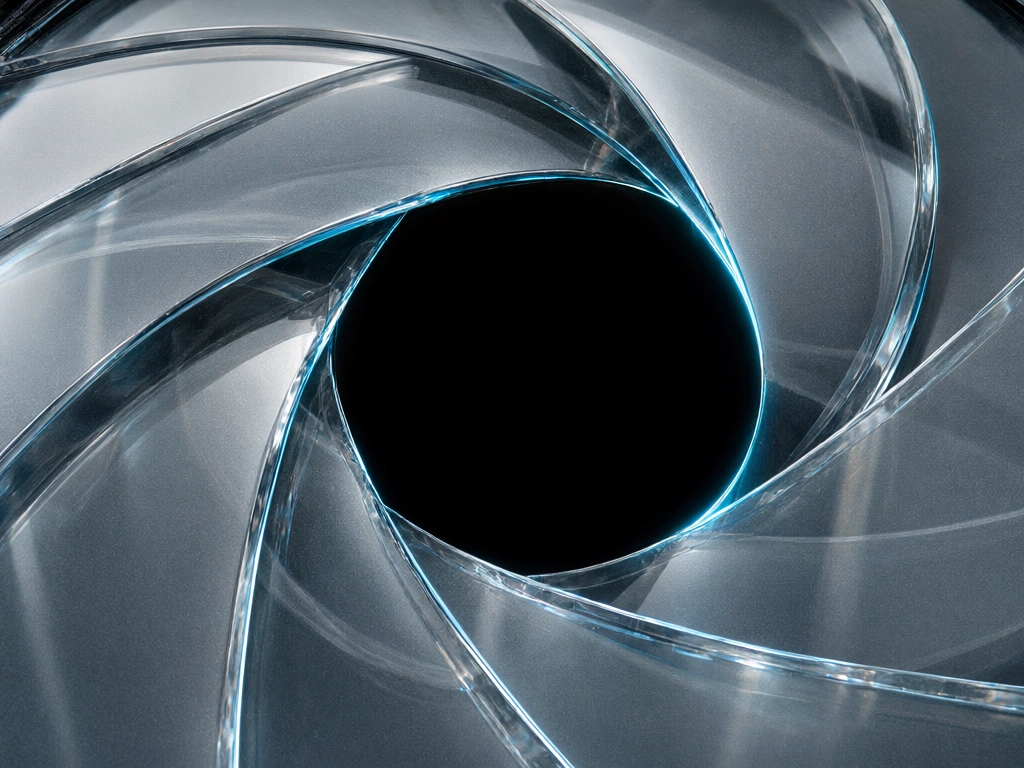
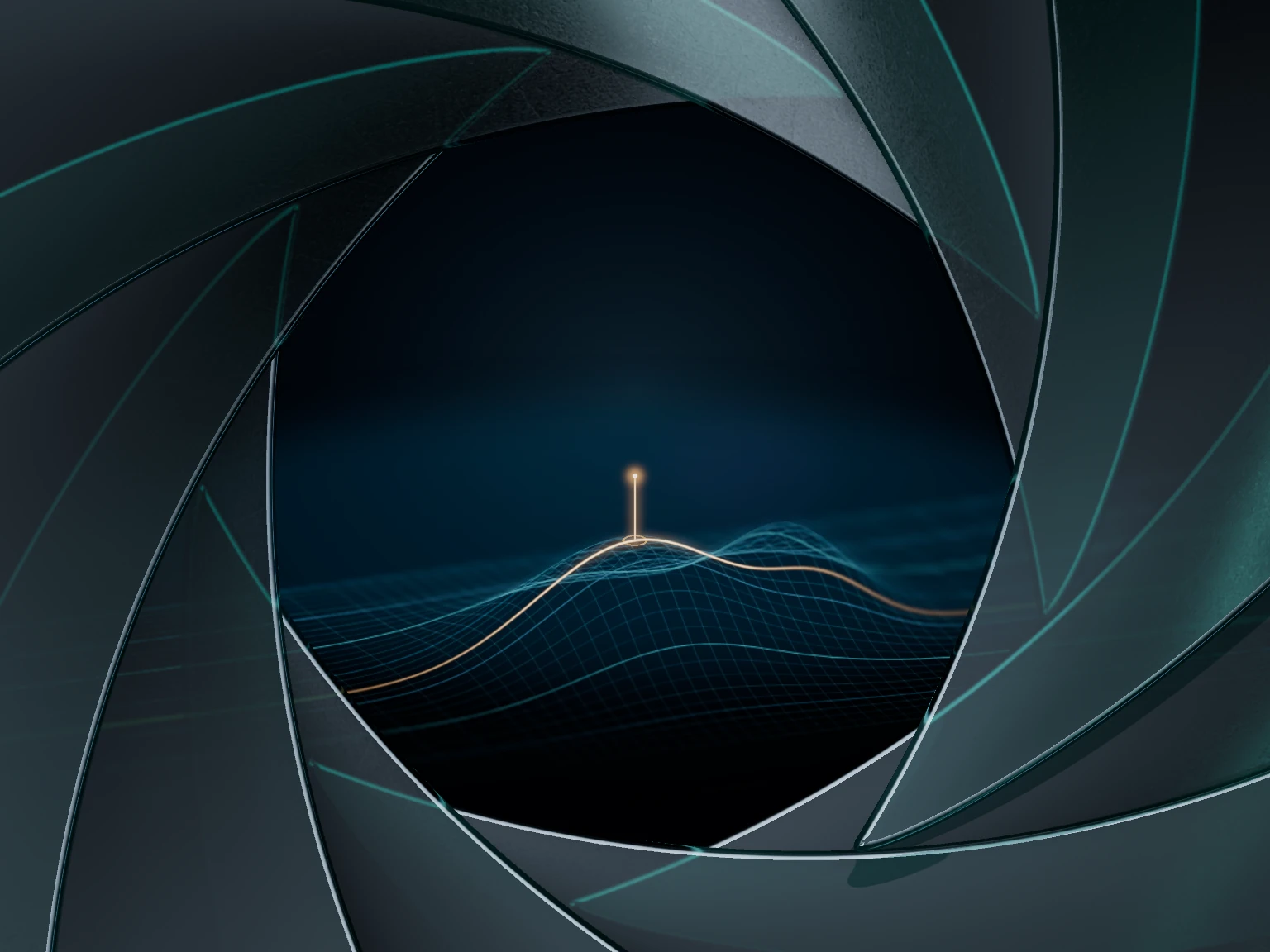
From a selected generated appearance reference to an actual native frame. The interactive implementation separates geometry, surface detail, light and optics; the photographic material match remains under refinement.
- 01 / Observe
Hold the question still.
Keep framing and form consistent where possible. Change one material or lighting treatment at a time, and look closely at what makes it convincing.
- 02 / Isolate
Find what carries the effect.
Separate surface texture, edges, transmission, reflections and shadows. Test layers against neutral fields and known patterns before asking them to work together.
- 03 / Compose
Give each medium the right job.
Use images for surface detail, shaders for responsive light and optics, and video for coordinated motion or light interplay that would be difficult or expensive to calculate live.
- 04 / Refine
Bring it back to the experience.
Combine the parts, test the transitions and compare them with the intended material. Keep the art direction adjustable, with a quieter version when motion gets in the way.
Layers work when pieces remain coherent as they move. Glass needs special care: what sits behind it changes what we see.
Live shaders suit focus, lensing, color fringing, light and contact shading that should respond to a person.
Video can carry complex shared reflections, shadows and choreography. Interactive layers can sit alongside it, with clean handoffs between states.
Define the question.
Make a useful test.
Bring an ambitious idea or a difficult technical question.
First establish who it is for and what a good result would look like. Build the smallest useful test, review it together, then decide what deserves to become part of the product. Findings and creative choices stay visible through that process.